The short answer
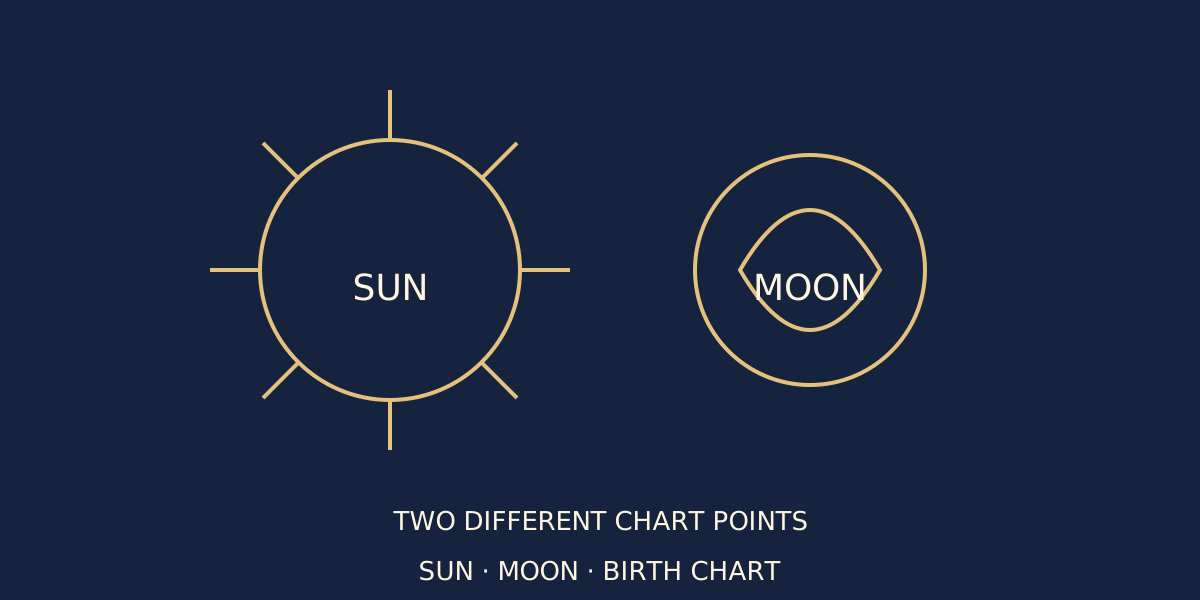
In Vedic astrology, the Sun sign is the zodiac sign occupied by the Sun at birth. The Moon sign, often called Janma Rashi, is the sign occupied by the Moon. They are different placements, calculated from the same birth moment. Traditional readings use them for different interpretive purposes; neither is a complete description of a person.
Why people often start with the Moon sign
The Moon moves through the zodiac more quickly than the Sun, so an accurate birth date, time and place matter when calculating its sign. Many Vedic astrology practices give the Moon a central role in day-to-day interpretation and in systems such as Nakshatra and dasha analysis. Schools and astrologers may weigh chart factors differently, so ask what method is being used.
What the Sun sign is used to discuss
A traditional chart reading may use the Sun to discuss vitality, purpose, identity or public role. These are symbolic interpretations within Jyotisha, not measured personality diagnoses. A useful reading explains which chart placement it is referring to instead of treating a Sun sign as a fixed label.
What the Moon sign is used to discuss
The Moon is commonly interpreted in relation to the mind, habits, emotional responses and everyday experience. This is a description of a traditional framework, not a psychological assessment. Your lived experience, relationships and choices cannot be reduced to one placement.
What birth details do you need?
For a calculated Moon sign, use the date, time and birthplace recorded as accurately as possible. Time zones and location affect chart calculations. If the birth time is uncertain, say so; a careful guide should explain which parts remain uncertain rather than quietly presenting an exact result.
A simple way to read both together
Start by confirming the chart method and the placements shown. Then ask: “What does this placement mean in this specific chart, and what other factors could change the interpretation?” Use the answer as a reflection prompt, not as a rule for major decisions.
Frequently asked questions
Is my Vedic Sun sign different from my Western Sun sign?
It can be. Many Vedic calculations use a sidereal zodiac, while Western astrology commonly uses a tropical zodiac. The systems use different reference points, so signs can differ. Ask which zodiac and calculation settings were used.
Is Rashi the same as Moon sign?
In common Vedic astrology usage, Janma Rashi usually means the Moon sign at birth. “Rashi” can also refer more generally to a zodiac sign, so context matters.
Can my Moon sign predict exactly what will happen?
No placement can establish an exact personal outcome. Astrology is a traditional interpretive practice; use it for reflection alongside practical evidence and your own judgment.